
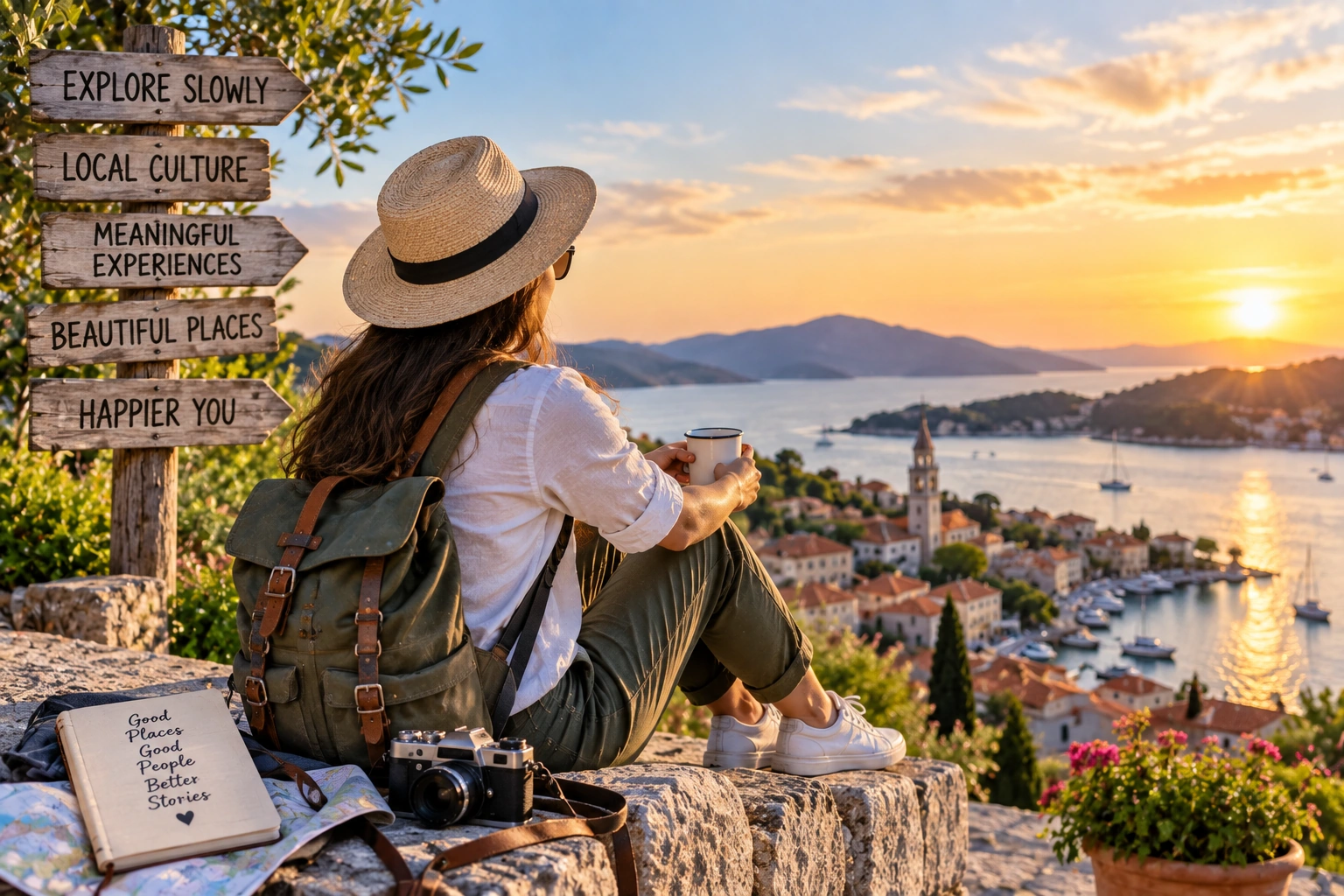
Modern vacations can sometimes feel like a race. Travelers try to visit several attractions in a few days, move between cities quickly, take hundreds of photographs, and fit as many activities as possible into a limited schedule. While this approach can help people see more places, it can also leave them feeling tired rather than refreshed.
Slow travel offers a different approach. Instead of focusing on how many attractions can be visited, it encourages travelers to spend more time in one place, experience local culture, and enjoy the journey at a comfortable pace. It can turn a holiday into an opportunity to rest, explore, and connect more deeply with a destination.
What Is Slow Travel?
Slow travel is not simply about traveling slowly. It is an approach that focuses on quality rather than quantity. Instead of rushing through multiple destinations, travelers may choose one city, town, village, or region and spend several days exploring it.
The idea is to give yourself enough time to understand the destination rather than simply checking famous attractions off a list. A slower itinerary can include local food, neighborhood walks, cultural experiences, nature, conversations, and time to relax.
Less Stress and More Relaxation
One of the biggest benefits of slow travel is reduced pressure. A tightly packed itinerary may require travelers to wake up early, travel long distances, wait in queues, and constantly check the time.
A slower schedule allows more flexibility. You can enjoy breakfast without rushing, spend additional time at an interesting location, or simply take an afternoon break.
This can make a vacation feel more like a holiday rather than another busy schedule.
More Meaningful Experiences
Spending several days in one destination provides opportunities to experience more than its most famous attractions. Travelers can explore local markets, discover small cafés, walk through residential neighborhoods, visit community spaces, or attend cultural activities.
These everyday experiences can provide a different understanding of a destination. Instead of seeing a place only through major tourist attractions, travelers can observe how people live, eat, work, and spend their leisure time.
A Deeper Connection With Local Culture
Slow travel can encourage meaningful cultural experiences. When travelers have more time, they may be able to learn about local traditions, regional food, history, crafts, music, and everyday customs.
Trying a traditional meal, visiting a local market, taking a cooking class, or speaking with local residents can become memorable parts of a trip.
Travelers should, of course, approach local customs respectfully and avoid treating communities simply as tourist attractions.
Supporting Local Businesses
Spending more time in one destination can also create more opportunities to support local businesses. Travelers may eat at neighborhood restaurants, shop from local producers, use locally operated transportation, or participate in experiences organized by local businesses.
This can help distribute travel spending beyond large tourist attractions and major international businesses.
More Time in Nature
Slow travel can work particularly well for destinations known for natural surroundings. Instead of attempting to visit several locations in a short period, travelers can spend a few days enjoying beaches, forests, mountains, lakes, or countryside.
Activities such as walking, cycling, photography, birdwatching, or simply sitting outdoors can become part of the holiday.
The absence of a demanding schedule may also make it easier to appreciate the environment instead of rushing from one attraction to another.
Potentially Lower Travel Costs
Slow travel can sometimes reduce expenses because travelers make fewer long-distance journeys. Constantly changing hotels, taking multiple flights, or booking frequent transfers can increase the cost of a trip.
Staying in one place for several nights may reduce transportation expenses and allow travelers to compare longer-stay accommodation options.
However, slow travel is not automatically cheaper. Accommodation costs, dining choices, and activities still influence the total budget.
Better Quality Family and Personal Time
A relaxed itinerary can also be valuable for families and couples. Instead of spending most of the day moving between attractions, people can have more time to talk, eat together, explore at their own pace, or simply rest.
For solo travelers, slow travel can create space for reflection and personal interests. A quiet morning walk, reading session, or leisurely meal can be just as valuable as visiting a major attraction.
Travel With Greater Awareness
Slow travel encourages people to pay attention to their surroundings. Rather than immediately moving to the next destination, travelers can notice architecture, local food, street life, natural landscapes, and cultural details.
It can also encourage more thoughtful travel choices, such as using public transportation, walking when practical, reducing unnecessary travel, and respecting local environments and communities.
How to Plan a Slow Travel Holiday
Start by choosing fewer destinations. Instead of visiting four cities in one week, consider spending most of the week in one or two locations.
Create a flexible list of things you would like to experience rather than scheduling every hour. Choose accommodation in a convenient neighborhood, research local transportation, and leave some days or afternoons open.
Most importantly, avoid feeling guilty about doing nothing for a few hours. Relaxation is part of the experience.
A Different Way to Experience Travel
Slow travel does not mean missing out. In many cases, it means choosing fewer experiences and enjoying them more fully.
A relaxed holiday can provide time for exploration, rest, local culture, nature, food, and personal connection. By reducing unnecessary movement and allowing more flexibility, travelers can return home with memories that go beyond photographs of famous landmarks.
For people who want their next holiday to feel refreshing rather than exhausting, slow travel offers a simple principle: see less, experience more, and give yourself enough time to enjoy where you are.